How to Plan a Family Ski Vacation When Traveling with Kids

Planning Your First Family Ski Vacation

If it’s your first time planning a ski trip with kids, you may be wondering: Where should we go? What should we pack? How do I make sure everyone has a good time? Planning a ski trip is different from planning a typical vacation. It involves coordinating gear, ski lessons, weather conditions, daily schedules, and accommodations. The good news is that with a little preparation, your next ski trip can quickly become one of your family’s most memorable vacations. Keep reading for all the details about how to plan a great trip and choose a destination that accommodates all ages.   

What’s the Best Time to Go on a Family Ski Vacation? 

The best months for skiing are going to depend on a few factors like location, crowd size, and snow conditions. In New Mexico, the winter ski season spans from late November to early or mid March. The busiest times are always going to be around the holidays—think Thanksgiving through New Years Day, Martin Luther King Jr. Day, and President’s Day. The least busy times are towards the very beginning and the end of the season. 

In terms of snow conditions, January and February typically have the most snowfall and consistent conditions. This is when you can expect everyone’s favorite type of snow, powder, as well as packed snow.

Although it warms up in March, spring skiing is still a great option for families that want to get away for spring break. Milder temperatures and sunny skies make it more comfortable for kids. Plus, this time of year brings fleeting “corn snow”—a really soft, kernel-like texture that provides lots of traction and support, and lets you glide down the mountain easily. 

The most ideal time is really going to be what works best for your family, your schedule, and what your preferences are.

Choosing a Family-Friendly Ski Resort

Not all resorts are created equal. The resort you pick will shape your entire family’s experience. Here are several factors you’ll want to consider before choosing which resort you spend your family ski vacation at. 

Pick a Ski Resort With Family-Friendly Terrain 

When planning a ski trip with kids, choosing a resort with terrain that’s suitable for all ages and skill levels makes a big difference in how much fun everyone has. No one wants to be on a trail that’s too difficult for their ability and vice versa. Scope out a ski resort that has plenty of green (easy), blue (medium), and black diamond (hard) trails that caters to everyone. 

If you’re traveling with children that are beginners, look for a ski resort that has kid zones or green runs that are truly catered for children of all ages. Family-friendly terrain typically includes wide, rolling slopes that are well-groomed to help beginners focus on turning, stopping, and learning the basics. This will give children a safer, more relaxed environment where they can practice without worrying about heavy traffic from experienced skiers or more advanced terrain that can be scary and overwhelming.  

Ski & Snowboard School for Kids

One of the most important parts of planning your trip is finding a ski resort for kids with a decent ski and snowboard school. Lessons give kids structured instruction from trained professionals, helping them learn proper technique, build confidence on the slopes, and stay safe while having fun. Even a few hours with an instructor can make a huge difference in how quickly kids progress and how much they enjoy themselves. 

Private lessons are ideal for children who have never been on the slopes, need one-on-one attention, or have a specific skill goal. Private lessons can be especially helpful if siblings are at different ability levels because it allows each child to progress at their own pace. Group lessons are great for younger kids or beginners who will gain confidence in a social environment. Being with peers can make learning more enjoyable and help kids stay motivated. It’s also great for kids that already have a solid foundation who don’t necessarily need one-on-one attention, but want to advance their skillset. 

Private lessons are available at Ski Apache by appointment for children that are at least 5 years old. Group classes occur daily from 9 AM to 3 PM on a walk-in basis. For more information, contact our Snow School Office at 575-464-3695.  

Look for Affordable Pricing 

Prioritizing budget is always top of the list when planning a family ski vacation, especially when you have kids. Between lift tickets, rentals, lessons, lodging, and meals, costs can add up quickly. Choosing a destination with reasonable pricing will make the entire experience feel more manageable. Look for ski resorts that have family bundle deals or special kids pricing that helps stretch the budget even further. Ski Apache offers a Free Kids Ticket program that allows children under the age of 12 to ski for free with the purchase of an adult lift ticket. It’s one of the most generous kids-ski-free programs in the United States and makes skiing with kids significantly more affordable if you’re planning multiple ski days.    

If possible, book lift tickets and lessons in advance online. Oftentimes, purchasing lift tickets ahead of time is less expensive than purchasing in-person. Not only does it save money, but it saves time too. At Ski Apache, lift tickets can be in-person or online at a discount.  

Booking Family-Friendly Lodging 

At the end of a long ski day, who doesn’t want to come back to a cozy place where you can rest? The right accommodations should feel like your home away from home. When booking, be sure to keep a few things top of mind: 

  • Proximity to the Mountain: Choose spots within a short drive to minimize travel time with tired kids and gear. 
  • Space and Layout: Think suites, condos, or cabins with multiple bedrooms, kitchen areas, and living spaces that give everyone enough room to spread out. 
  • Budget and Hotel Specials: Before booking, check for seasonal promotions, ski-and-stay packages, or midweek discounts. Many resorts and hotels offer bundled deals that include lift tickets or special family pricing. Once you have set travel dates, be sure to book as early as possible to get better rates and ensure availability. 
  • Amenities: Look for amenities that enhance your stay after a long day on the mountain. Indoor pools, hot tubs, entertainment and family-friendly activities, on-site dining, and shuttle service to the slopes will make your trip smoother and more enjoyable.  

If you want a homebase that’s nearby, Inn of the Mountain Gods Resort & Casino is a popular choice. Just a short drive from Ski Apache, this family-friendly resort is a comfortable retreat after a day on the mountain. With spacious rooms and suites, restaurants, and plenty of entertainment options, it’s the best choice for families who want proximity and great amenities. There’s even a convenient shuttle service to and from Ski Apache, so there’s no need to worry about driving.  

Plan Downtime in Between Ski Days

While skiing may be the main attraction, building in downtime between ski days helps keep everyone refreshed and excited for more mountain fun. Ski Apache has plenty of winter outdoor activities nearby that the entire family can enjoy. Spend a few hours tubing at Ruidoso Winter Park or lace up your skates at Wingfield Parkfor seasonal ice skating right in the heart of town. Or, if you want to spend a day exploring local shops, the boutiques, souvenir stores, and cozy cafés in Midtown Ruidoso are worth visiting. Mixing in these activities will give your legs a break while still making the most of your trip. It’s also nice to have an itinerary that includes a little bit of everything.   

Packing the Right Ski Gear  

Staying warm, dry, and comfortable is essential for keeping everyone happy on the slopes. The key is layering and preparing for changing mountain weather conditions. Start with the basics: waterproof ski jackets and pants, insulated gloves or mittens, ski socks (avoid cotton), helmets, and goggles. Proper outerwear keeps kids dry if they fall (which they will) and makes a huge difference in how long they’re willing to stay outside. 

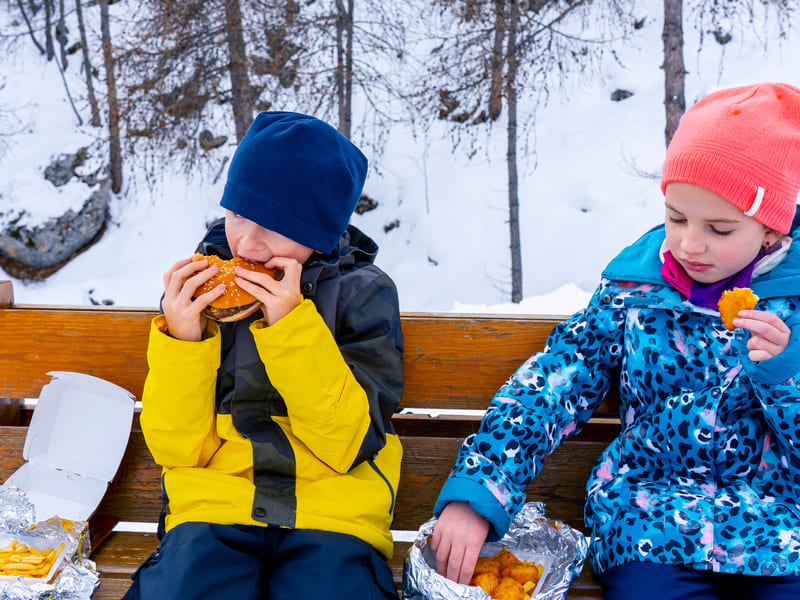
Pack moisture-wicking base layers and breathable, yet warm mid layers. On sunny afternoons, you can remove a layer to stay comfortable without overheating. And don’t forget the small essentials: sunscreen (even on cloudy days), SPF lip balm, hand warmers, and a neck gaiter or balaclava for colder mornings. Bringing a small backpack with snacks and water can also help prevent mid-day meltdowns when skiing with young kids. 

Lastly, remember that skis, snowboards, boots, and helmets can be rented at the resort. Renting is often the easiest option for first-time families so you don’t have to worry about packing bulky equipment. 

Spend Your Family Trip at Ski Apache

Your first family ski vacation deserves a destination that checks every box from beginner-friendly slopes and great ski schools, to cozy lodging and off-mountain fun. Ski Apache delivers it all. Start planning your trip to our family-friendly ski destination.

Ski Trip Packing List For Beginners | How to Dress & Pack

A Complete Ski Trip Packing List for First-Timers

Packing for your first ski trip can feel like a guessing game. Do you really need that many layers? Are regular winter clothes enough? And why is everything so bulky? If you’ve never skied before, it’s hard to know what’s essential and what’s overkill. This ski trip packing list is a complete guide to everything you need to pack whether you’re on the slopes or enjoying downtime off the mountain. 

Ski Trip Clothing Essentials 

Ski Apache is one of the most southernmost ski resorts in the United States, but that doesn’t mean that you won’t need to dress for cold weather. You’re still skiing at elevation and it definitely gets cold. The goal isn’t just to stay warm, you also want to stay dry and comfortable from your first run to your last. Here’s a list of what to wear skiing for the first time. 

  1. Outerwear jacket: A hardshell jacket is essential. Make sure yours is warm, waterproof, and breathable.
  2. Pants: Bring one to two pairs of waterproof, insulated ski pants. Pants offer more flexibility than bibs or snowsuits if you need to shed layers.  
  3. Snow bib or snowsuit: Personal preference rules here. Packing a snow bib or snowsuit in addition to pants gives you options depending on weather conditions.  
  4. Base layer tops & bottoms: This layer (Merino wool or synthetic) should be snug, moisture-wicking, and breathable. It’s smart to pack a variety of weights so you can adjust based on the forecast. Choose lightweight for milder days, midweight, or heavyweight for especially cold temperatures. Bring a base layer set for each day you’ll be skiing. Or, if you’re able to wash your items mid-trip even better. This will help save room in your suitcase. 
  5. Mid-layer tops: Merino wool sweaters, fleece pullovers, vests, or lightweight puffers work well. Pack enough mid-layers for each ski day too.
  6. Socks: Pack a pair of socks for each day you’re on the slopes. Thick Merino wool or synthetic blends will keep you warm and dry. Avoid cotton socks at all costs!
  7. Winter hat: A warm beanie is an easy swap for a helmet aprés-ski.
  8. Gloves or mittens: Make sure they’re waterproof and insulated.
  9. Neckwarmer, balaclava, or gaiter: Protect your face and neck from windburn and the cold. 

Ski and Snowboard Gear  

If you’re a first-time skier, you most likely won’t have your own equipment yet and that’s perfectly fine. Most ski resorts and mountain towns have ski rentals for everything you’ll need on the slopes. Use this list to get familiar with what to rent ahead of time or decide which pieces might be worth investing in if you plan to ski frequently.  

  1. Skis
  2. Snowboard
  3. Ski poles
  4. Ski boots
  5. Snowboard boots
  6. Helmet 
  7. Goggles 
  8. Wrist guards (optional): This is highly recommended for beginner snowboarders more so than skiers to protect the wrists when breaking falls. 
  9. Knee pads (optional): Soft knee pads help cushion any impacts when learning to ski. 
  10. Padded shorts (optional): Ideal for beginners, this offers discreet protection for the hips, thighs, and tailbone during tumbles. 

Extra Items Worth Packing

Once you’ve got the ski trip essentials covered, don’t overlook the smaller details. These items don’t take up much space, but will make a big difference once you’re on the mountain. 

  1. Sunscreen: While UV rays may not be the first thing you think of when you think of skiing, the high altitudes and snow reflection intensify UV exposure. Broad-spectrum SPF 50 sunscreen will prevent sunburn and skin damage. 
  2. SPF lip balm: An essential for preventing chapped lips in dry, cold mountain air. 
  3. Tissues: Useful to have on hand if the wind and cold cause a runny nose.
  4. Backpack: A small backpack keeps all your necessities handy.
  5. Lock: If you want to store your items in a ski locker apres-ski or while you’re on the slopes, this will keep your items secure. 
  6. Handwarmers: Bring multiple packs for a little extra warmth for chilly hands and/or feet.
  7. Insulated water bottle or hydration pack: High altitudes cause dehydration fast. Stay ahead of fatigue with constant hydration. 
  8. Snacks: Think protein bars, trail mix, or even beef jerky. Anything to help keep your energy and stamina up. 
  9. Portable charger: Keep your phone charged all day long.  
  10. GoPro Camera: While not necessary, it’s a fun way to capture your runs and relive the best moments of your ski trip.

Aprés-Ski and Off-Mountain Clothing  

First-time ski travelers often focus on gear and forget about what to wear the rest of the day. What you wear off the slopes is just as important as your ski clothing. You’ll want to include practical winter staples to your ski trip packing list that you can wear aprés-ski, while walking through town, or when going out to dinner. 

  1. Winter jacket: A parka or puffer will keep you comfortable when exploring 
  2. Casual tops and/or sweaters: Flannels, turtlenecks, Merino wool knits, and pullovers are great for both indoors and outdoors
  3. Casual pants: Jeans, joggers, leggings, or any type of comfortable pants that will keep you warm. 
  4. Casual gloves: Lightweight to midweight gloves are ideal. Ski gloves are too bulky for everyday wear.
  5. Winter boots: Choose waterproof, insulated boots with good traction. 
  6. Winter hat: A beanie will keep your ears warm and body temperature regulated.  
  7. Swimsuit: Yes, a swimsuit is an item you won’t want to forget on your trip! Many hotels and resorts have a pool, hot tub, or spa that you can enjoy when you aren’t on the slopes. 

What Not to Wear While Skiing

While these items may be good options for wearing around the resort or in town, you definitely don’t want to be caught on the slopes in these clothes. The wrong clothing can make you miserable fast. Avoid making a rookie mistake and wearing these items to ski: 

  • Cotton: Absorbs moisture and dries slowly. Once it gets wet from sweat or snow, it stays wet. 
  • Jeans: Denim isn’t waterproof or insulated. Definitely not approved for the slopes. 
  • Leggings: Don’t provide enough warmth or protection from snow.
  • Everyday winter coats: Most fashion coats aren’t waterproof or breathable enough for skiing
  • Ankle socks: Short socks can slip down inside ski boots and don’t provide adequate warmth
  • Non-waterproof outwear: Any jacket or pants that aren’t waterproof will quickly leave you damp and cold. 

How to Pack Your Ski Trip Essentials

There’s a lot to pack for a ski trip, and most of it happens to be bulky. Here are a few ways to help you save space in your suitcase whether you’re driving or flying. 

  1. Roll, Don’t Fold 

Folding your clothing actually takes up more space than rolling your clothes. Rolling your clothes lets you pack more efficiently. If the fabric allows for it, roll non-bulky items when you can to fit more items in your suitcase. 

  1. Use Packing Cubes  

Packing cubes make organizing simple. Use them to organize all your clothes. Use the cubes to separate base layers, mid-layers, and accessories (or organize them in whatever way makes the most sense to you) so you can easily grab what you need without digging through your entire suitcase.

  1. Try Vacuum Sealed Bags

Like packing cubes, compression or vacuum-sealed bags are great for consolidating. For large, bulky items like puffer jackets, snow pants, suits and bibs, vacuum sealed bags come in handy. They significantly reduce volume which allows you to pack even more in your suitcase or leave room for souvenirs when you’re coming back.  

  1. Stuff Ski and Winter Boots

Empty boots means wasted space! Fill them with socks, gloves, gaiters, or other small access to maximize every inch of your suitcase. 

Ski Trip Packing List FAQs

How many layers do I need to wear while skiing? 

Most skiers wear three layers: a base layer, a mid-layer, and a waterproof outer layer. The base layer keeps sweat off your skin, the mid-layer adds warmth, and the outer layer protects you from wind and snow. Depending on how cold it is, you can adjust the thickness of each layer by choosing lightweight, midweight, or heavyweight fabrics. 

Are jeans ok for skiing?

No, jeans are not appropriate for skiing. Not only do they fail to provide warmth, but they are not waterproof and quickly absorb moisture. Once they are wet, they stay wet which will leave you cold and uncomfortable on the slopes. 

What clothes should I pack for a ski trip? 

Pack moisture-wicking base layers, warm mid-layers (like fleece or wool), waterproof ski pants, a waterproof ski jacket, wool or synthetic ski socks, waterproof and insulated gloves or mittens, and a warm hat. You’ll also want to pack casual winter clothes for off-mountain activities.

Viaje de Esquí de Vacaciones de Primavera a Ski Apache

Vacaciones de primavera: Esquí en Ski Apache

Mientras que muchos aprovechan las vacaciones de primavera para escapar a destinos cálidos y disfrutar del comienzo del verano, otros optan por una escapada más fresca. Para quienes viajan desde zonas cercanas como Texas o México, Ski Apache es un destino de deportes de invierno conveniente y familiar. Si busca disfrutar de una última ronda de actividades en la nieve antes de que termine la temporada, nuestro resort es el lugar perfecto para pasar sus vacaciones de primavera. Siga leyendo para descubrir qué le espera en Ski Apache Ski Resort si planea pasar las vacaciones de primavera en Ruidoso, Nuevo México.

Condiciones de nieve primaveral en Ski Apache

Nuevo México es conocido por sus excelentes condiciones de nieve a principios de la primavera, y Ski Apache no es la excepción. A principios de marzo, las zonas más altas aún conservan una base de nieve sólida, y la profundidad de la base suele ser máxima debido a la acumulación total de nieve estacional. Esta conservación de la nieve significa que la mayoría de las pistas permanecen bien cubiertas incluso con días más largos y cálidos. También significa que los entusiastas de los deportes de invierno pueden esperar la tan esperada “nieve de maíz” de los ciclos de hielo-descongelación de principios a finales de marzo.

 Por las mañanas, la nieve está firme y congelada por las temperaturas nocturnas. A medida que sale el sol y suben las temperaturas, la capa superior de nieve comienza a derretirse y se descompone en pequeños “granos” redondeados. Superada solo por la nieve polvo, la nieve de maíz es muy apreciada por esquiadores y snowboarders porque proporciona un gran agarre, una base firme y una textura suave que permite deslizarse sin esfuerzo por la montaña.

Y no es casualidad que la nieve de maíz coincida con días soleados. El esquí primaveral trae consigo cielos despejados, sol radiante y temperaturas agradables, para que puedas disfrutar de un día en la montaña sin el frío intenso de pleno invierno. Para quienes esquian por primera vez en primavera, cabe destacar que la nieve de maíz no dura todo el día; suele aparecer a media mañana y permanecer hasta primera hora de la tarde. Así que, si quieres disfrutar de las mejores condiciones de nieve primaveral, te recomendamos comprar tus forfaits y empezar el día temprano.

Forfaits y precios familiares

Ski Apache no solo ofrece unas de las mejores condiciones de nieve primaveral, sino que sus ofertas de forfait lo convierten en uno de los destinos de esquí más asequibles del suroeste. Una gran ventaja para las familias que visitan durante las vacaciones de primavera es nuestro programa de Forfait Gratis para Niños. Esta oferta especial facilita y abarata que los padres inicien a sus hijos en los deportes de invierno sin gastar demasiado en vacaciones. El programa de Forfait Gratis para Niños permite a los niños menores de doce años esquiar gratis con un forfait de adulto. Esto significa que, para una familia de cuatro con dos niños pequeños, solo tendrán que pagar dos forfaits de adulto para disfrutar de un día completo en las pistas.

Los forfaits de adulto cuestan $160 por día completo y $115 por medio día, con descuentos para militares y personas mayores. Los forfaits también se pueden comprar en línea, una opción más cómoda y económica: $150 por un forfait de adulto (día completo). Antes de comprar en línea, consulten siempre la cámara web de la montaña y el Informe de Estado de Forfaits y Senderos para asegurarse de que los senderos y los remontes estén abiertos y en funcionamiento.

Clases de esquí para principiantes para hispanohablantes

Si es tu primera vez adentrándote en el mundo de los deportes de invierno en Ski Apache, nuestras clases de esquí y snowboard son el punto de partida perfecto. Si no eres principiante, sino que simplemente quieres mejorar tu nivel de esquí o snowboard, te invitamos a tomar clases para mejorar tus habilidades y enfrentarte a terrenos más desafiantes.

Puedes elegir entre clases privadas o grupales según tus preferencias. Las clases privadas (a partir de 5 años) tienen una duración de 50 minutos y cuestan $160. Para principiantes, recomendamos encarecidamente las clases privadas inicialmente para recibir instrucción y atención personalizada.

Las clases grupales (a partir de 7 años) tienen una duración de 45 minutos y cuestan $80. Las clases grupales se ofrecen cada hora en punto, de 9:00 a.m. a 3:00 p.m., todos los días. Estas clases son solo para personas sin cita previa, así que asegúrate de llegar al menos 30 minutos antes de la hora de la clase para registrarte.

Para reservar una clase privada de esquí o snowboard, llama al 575-464-3695. Para los huéspedes hispanohablantes, nuestro resort cuenta con instructores que dominan el español para enseñarles. Esto permite que padres e hijos se sientan más cómodos y seguros al aprender en las pistas. Si necesita una clase en español, indíquelo al reservar para que podamos adaptarnos a sus necesidades.

Viajando a Nuevo México para las vacaciones de primavera

Ski Apache se encuentra en Alto, Nuevo México, a las afueras de Ruidoso y Mescalero. Alto es un pequeño pueblo de montaña con encantadoras tiendas y restaurantes locales, y un impresionante telón de fondo de la Sierra Blanca. Viajar a Ski Apache es relativamente fácil, ya sea en avión o en coche, especialmente si vienes de zonas cercanas como Texas o México. Hay varios aeropuertos a solo un par de horas de distancia, siendo el más cercano el Centro Aéreo de Roswell (ROW). Y si vives en Texas, Ski Apache está a un corto viaje por carretera: a menos de tres horas de El Paso y a unas cuatro horas de Lubbock.

Dónde alojarse

Inn of the Mountain Gods Resort & Casino es una excelente opción para los amantes de los deportes de invierno que desean estar cerca de las pistas. Inn of the Mountain Gods se encuentra a solo 25 minutos de Ski Apache en Mescalero, Nuevo México, e incluso hay un autobús lanzadera que te lleva y trae de la estación de esquí. Este resort de lujo cuenta con 200 habitaciones de hotel,un casino de 45.000 pies cuadrados, sala de conciertos y spa. Cuando no esté esquiando, hay mucho que hacer, como asistir a un espectáculo en vivo, jugar al golf, montar a caballo o disfrutar de un día de spa.

Restaurantes

Hay muchos restaurantes para comer entre Ski Apache, Inn of the Mountain Gods y restaurantes locales en el centro de Alto y Ruidoso, Nuevo México. En la estación de esquí, los huéspedes pueden elegir el puesto de hamburguesas Plaza Grill y Moonshine, el Eagle Café, el Arrowhead Express Snack Bar o The Spirit Bar para tomar una copa después de esquiar.

Qué ponerse para esquiar en primavera

Preparar el equipaje para esquiar en primavera puede ser complicado, ya que las mañanas suelen ser frescas y las temperaturas suben a medida que avanza el día. A pesar del clima más cálido, conviene llevar muchas capas de ropa, ya que siempre es más fácil quitarse algo que añadirse en las pistas. Aquí tienes un resumen sencillo de qué llevar para tu viaje:

Capa base

  • Elige prendas superiores e inferiores que absorban la humedad y que regulen la temperatura, lo que te ayudará a mantenerte fresco en temperaturas más cálidas. Tanto las capas base sintéticas como las de lana merino son adecuadas.
  • Opta por ropa interior térmica transpirable, adecuada para las mañanas frías y las tardes más cálidas.
  • Evita el algodón por completo.

Capa intermedia

  • Chaquetas ligeras de forro polar, suéteres o incluso chaquetas softshell.
  • Chalecos aislantes.
  • Cualquier prenda versátil que puedas quitarte fácilmente (si es necesario) a medida que sube la temperatura.

Ropa de abrigo

  • Chaquetas softshell impermeables y transpirables
  • Pantalones o petos de esquí impermeables y transpirables

Accesorios

  • Guantes o mitones impermeables
  • Protector solar de alto FPS
  • Gafas de protección
  • Calcetines de lana o sintéticos

Disfruta las vacaciones de primavera en las pistas de Ski Apache

Si nunca has esquiado en primavera, nunca es tarde para disfrutar de la diversión. Ven a disfrutar de los últimos momentos del invierno antes de que la nieve desaparezca. Empieza a planificar tus vacaciones en Ski Apache hoy mismo y cambia las multitudes de la playa por días soleados en las pistas. 

Black Diamond Runs at Ski Apache Ski Resort

Black Diamond Runs in New Mexico: Conquer Ski Apache’s Toughest Terrain 

What is a Black Diamond Run?  

In North American ski areas, a black diamond run is designated for advanced skiers and riders who are comfortable with speed, steeper slopes, and more complex terrain features. The term comes from the black diamond symbol, which ski resorts adopted in the 1960s as part of a standardized trail-rating system. The diamond shape was chosen to represent difficulty, and the black color clearly signaled the highest tier of challenge before double-black terrain.

Black diamond runs are a step above intermediate “blue” runs and often require the ability to make quick, controlled turns in narrow spaces and changing snow conditions. These trails are steep, demanding, and packed with natural obstacles that test both strength and technique.

Key Characteristics of Black Diamond Terrain

Common characteristics of black diamond runs usually include: 

  • Steeper slopes typically over 30 degrees. Most black diamond runs have a 40 to 60 degree incline.
  • Moguls, or a series of large bumps that form naturally as skiers push snow into mounds when making sharp turns.
  • Glades, areas of densely packed trees that require quick maneuvering in narrow passages.
  • Variable snow conditions, including powder, crud, packed snow, or icy patches.

Double Black Diamond Runsand Triple Black Diamond Runs  

While a single black diamond run is already designed for advanced skiers, double black diamond and triple black diamond trails take difficulty to an even higher level. These runs are meant only for expert and elite-level skiers with significant experience in technical terrain. 

On a double black diamond run, you can expect: 

  • Extremely steep pitches, often exceeding 50 degrees
  • Tight, technical chutes
  • Cliff drops or mandatory air
  • Very narrow passages with little room for error
  • Highly variable and often ungroomed snow 

While not technically an official trail rating, a select few ski resorts around the country use a triple black diamond run designation to indicate the most dangerous and demanding terrain. These types of trails include: 

  • Steep inclines approaching 80 degrees or more
  • Exposure to cliffs or avalanche-prone areas
  • Mandatory drops with no alternate routes
  • Extremely tight couloirs, glades, or rock-lined corridors

Black Diamond Runsat Ski Apache

Ski Apache offers a selection of advanced and expert-level terrain designed for skiers who want a challenge beyond the resort’s intermediate slopes. While the exact number of black diamond runs varies by season and changing trail conditions, the resort consistently features steep upper-mountain terrain, technical pitches, and naturally shaped snow features that appeal to confident, experienced skiers.

What makes Ski Apache’s black diamond areas unique is how dramatically the terrain can change with weather, elevation, and snowfall. On one day, an advanced run might be covered in soft powder, allowing smoother, more forgiving turns; on another, the same slope may develop firm sections, wind-scoured patches, or tight mogul fields that require sharp precision and strong legs. Because of these natural changes, Ski Apache’s expert terrain is best approached with situational awareness and adaptability.

Unlike heavily groomed intermediate trails, many black diamond zones at Ski Apache maintain a more natural feel. Be prepared to encounter wind-loaded powder stashes, mixed snow ranging from packed powder to hardpack, and bumps and troughs shaped by skier traffic.

Black Diamond Trail names to look out for:

Picking the Right Trail for Your Skill Level 

Choosing the right trail is essential for both safety and enjoyment, especially when exploring a mountain with diverse terrain like Ski Apache. Even if you’re eager to tackle black diamond runs, it’s important to evaluate your skills honestly and make decisions based on your comfort level, snow conditions, and the type of terrain you enjoy most.

Before heading into expert territory, make sure you’re fully confident on blue and blue-black terrain, where you can practice the fundamentals needed for steeper slopes and more technical features. This includes maintaining strong parallel turns, controlling your speed on variable conditions, and navigating tighter spaces with quick, precise movements. 

To help skiers assess their ability level, Ski Apache provides a clear skill-level assessment. This guide helps you determine whether you’re ready for advanced runs or if you’d benefit from refining key techniques first. Our team is also available to talk with you about your current ability level and make personalized recommendations based on your goals, comfort, and previous experience on the mountain. 

At Ski Apache, and most ski areas across North America, trail difficulty is identified by color-coded symbols displayed on maps and trail signs. Beginners should look for green circles, which mark gentle slopes with wide, forgiving terrain that’s ideal for practicing basic turns and speed control. Blue squares indicate intermediate runs that feature moderate pitches and variable terrain. Black diamonds represent advanced trails with steeper gradients, moguls, and narrow passages, while double black diamonds are reserved for experts only and typically feature highly technical routes, ungroomed areas, and potentially hazardous obstacles. 

Ready to Put Your Skills to the Test?  

If you’re craving steep slopes, technical terrain, and the satisfaction of taking on some of New Mexico’s most challenging runs, Ski Apache’s black diamond terrain is waiting for you. With a mix of mogul fields, glades, narrow chutes, steep upper-mountain pitches, and natural features shaped by rugged terrain, the mountain is a playground for advanced skiers looking to elevate their experience.

Ski Apache Trail Map